
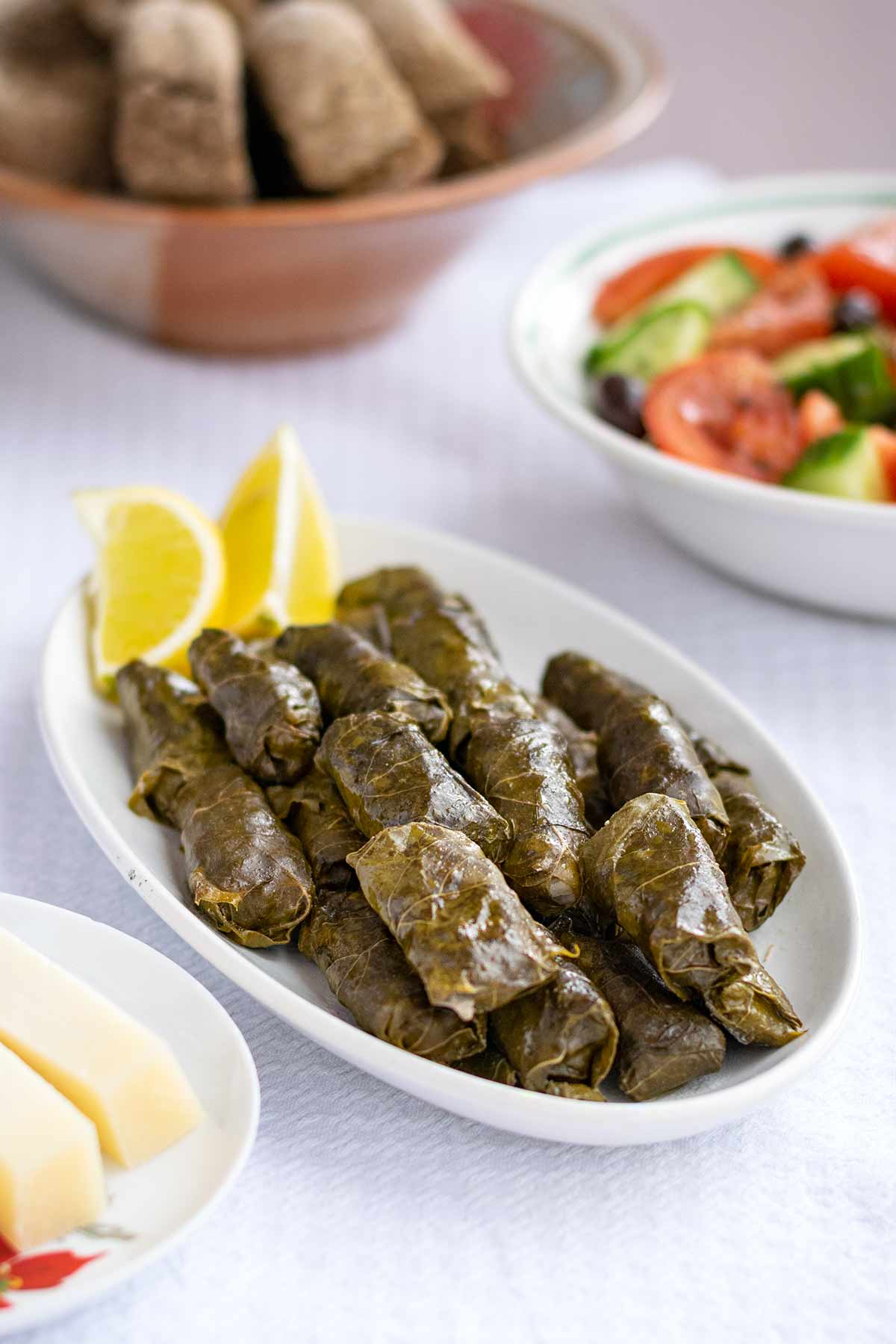
After we picked and canned grape leaves from our vineyard in Crete, my mom and I made THE BEST dolma. These stuffed grape leaves with meat and rice are one of the best Mediterranean foods. If you've ever struggled with torn leaves, bland filling, or rolls that fall apart, don't worry - I've got all the tips you need to make the best Greek dolmades recipe at home.

🌿 What Is Dolma?
Dolma means "stuffed". It refers to a variety of dishes where vegetables or leaves are filled with savory mixtures. Greek dolmades (or dolmathes) are grape leaf wraps filled with rice, herbs, spices, and sometimes meat, simmered in a lemony broth. Other names are sarma or yaprak - depending on where you are. These vine leaves are a staple in Greek food and Mediterranean cuisine.
Every time I visit my mom in Crete, she makes these stuffed grape leaves with ground beef and rice. If you love the vegetarian version, make sure to check these dolmades without meat (yalantzi)!
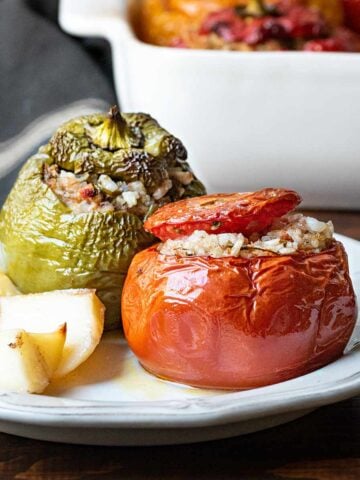
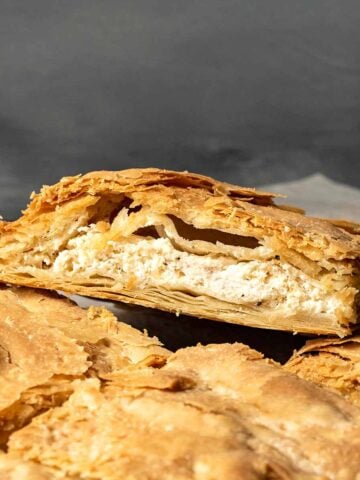
For more Greek dishes, don't miss these Gemista (Greek stuffed vegetables with rice) - another type of dolma, this easy Greek spinach pie (traditional Spanakopita) made with just 7 ingredients, and this warm and comforting Kokkinisto: Greek beef stew in tomato sauce.
📋 Ingredient notes
To make this dolma recipe (stuffed grape leaves) you'll need the following ingredients:

Grape leaves: I have a very useful guide for how to pick and preserve fresh grape leaves. If you can't find fresh vine leaves, you can get them in a jar from Mediterranean or Middle Eastern shops or markets. At the time I'm writing this, they're also available at Walmart's online store.
Ground meat: At home, we usually make these stuffed vine leaves with half lean ground beef and half ground pork. You can also use 100% beef, or swap the pork for ground lamb if you prefer.
Rice: Any short grain type of rice will do (like Carolina or Arborio). Not recommended: Long grain (like Basmati) and parboiled or instant rice.
✏️ For more information, check out this article on the difference between long and short-grain rice from marthastewart.com.
The chicken bouillon cube is dissolved in hot water before being added to the pot. Alternatively, you can use homemade broth if you have on hand.
Variations
Instead of grape leaves, we also make this dish with cabbage leaves (these cabbage rolls are called Lahanodolmades), Swiss chard (Seskoula - Σέσκουλα) or Sorrel (Lapatha - Λάπαθα).
As with grape vine leaves you'll have to blanch them in boiling water for a few seconds before stuffing and rolling.
👨🍳 Dolma Tips
✅ Don't overstuff: Rice expands during cooking; overfilling can cause tearing.
✅ Don't roll too loose: Loose rolls may unravel during cooking.
✅ Don't forget the plate! Weighing down with an inverted plate prevents dolmas from floating and unrolling.
✅ Rest before serving: Let cool for at least 30 minutes to absorb the liquids.
🎥 Dolma Video
🎵 Music on Video: Back to 1987 Musician: EnjoyMusic
📖 Recipe
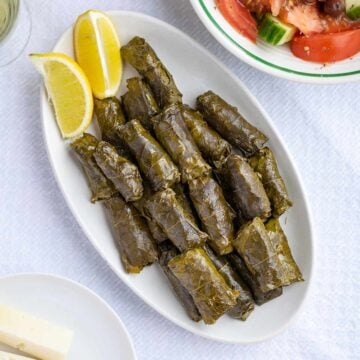
BEST Dolma: Stuffed Grape Vine Leaves with Meat
Ingredients
For the dolma filling:
- 1.1 lb (500 g) ground meat (half pork, half beef)
- 1 (120 g) onion (grated)
- 2 tablespoons (30 g) lemon juice
- 1.5 teaspoons (7.5 g) Salt (see note#1)
- 1 (200 g) tomato (grated)
- ½ (20 g) bunch fresh parsley (finely chopped)
- ½ cup (100 g) short-grain rice (rinsed well, see note#2)
- Black pepper ( to taste)
- ¼ cup (50 g) olive oil
- 1 egg (optional - most people skip it)
For assembling and cooking:
- 1 jar grape leaves (about 100-120 leaves per jar 32oz)
- Chicken broth or water (enough to cover the dolma)
- ¼ cup (50 g) olive oil
- 1 tablespoon (15 g) lemon juice
Instructions
- If using fresh leaves: Bring a large pot of water to a boil and dip small batches of leaves for 5-30 seconds just until pliable (time depends on the tenderness of the leaves). Transfer to a large bowl with cold water to stop cooking and drain well.👉 Blanching softens the leaves so they can be rolled easily. It also preserves their color.If using grape leaves from a jar, transfer them to a bowl with cold water and gently separate them. If they're in brine, rinse a few times to get rid of excess salt.

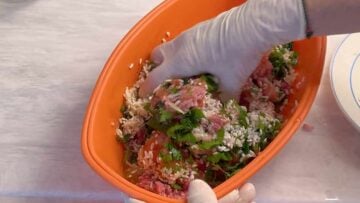
- Make the dolma filling: In a large bowl, transfer the ground meat, the grated onion, the salt, the lemon juice, the tomato, the parsley, the rice, the pepper, the olive oil and the egg (if using). Mix well until combined.👉 Rub the onion with the salt and the lemon juice to tone down the sharp onion smell and flavor.👉 You don't have to sauté the meat or the onion.
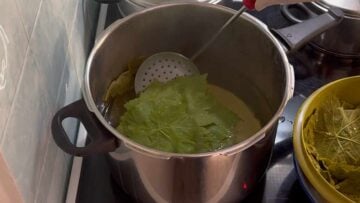
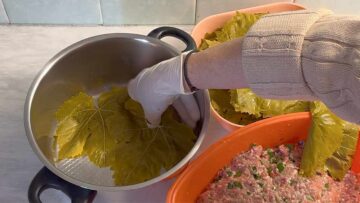
- Place torn or tough leaves at the bottom of the pot to prevent sticking or burning.
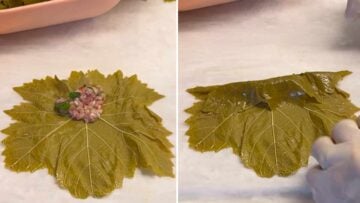
- Take one leaf and lay it flat with the vein side up. Place a spoonful of the filling near the stem and cover with part of the leaf near the stem.
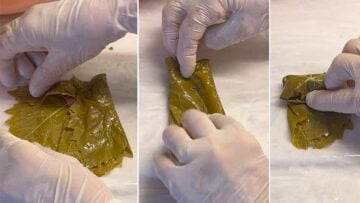
- Fold the sides over filling, and roll from stem to tip. Rolling should be done with medium pressure, not too tight but not too loose also. They need room to expand as the rice cooks.👉 You can save time is you lay the leaves in batches, then add the filling and roll them.
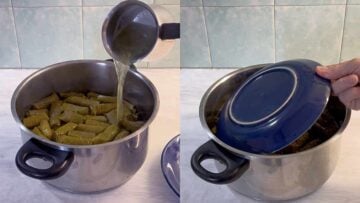
- Arrange the dolma relatively packed, seam-side down. Pour the olive oil and enough chicken broth to the pot to just cover them.Place an inverted heat-safe plate over the dolmas to keep them from unrolling during cooking.
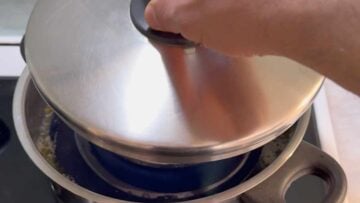
- Cover and bring to slow boil. From the time it starts simmering, reduce the heat to keep th eslow simmer and cook for 45-60 minutes until tender. Start checking them at the 45-minute mark. During cooking, keep an eye on the pot and add a splash of hot water if the liquid level drops, to keep the dolmas moist and prevent them from drying out.
Notes
Storage and Reheating:
- Refrigerate: Store the dolma in an airtight container for up to 4 days.
- Freeze: Place in a single layer, freeze until solid, then transfer to a freezer bag for up to 3 months.
- Reheat: Warm in a covered dish with a splash of water in the oven or microwave.
More Recipes You'll Love:
Nutrition
🔧 Troubleshooting
These are some of the most common problems when making dolma and their fixes:
⚠️ Grape leaves too tough?
➡️ They were either too old (use young leaves which are more tender) or needed more blanching.
⚠️ Dolmas falling apart?
➡️ That usually means the grape leaves were over-stuffed or the rolls weren't sealed tightly enough. Don't over-stuff, make sure they're rolled tightly enough and always place them seam-side down when cooking.
⚠️ Undercooked rice?
➡️ Either your simmer was too low or you didn't use enough liquid. Make sure the dolmas are covered with broth and cook gently for 60 minutes checking at the 45-minute mark. During cooking, keep an eye on the pot and add a splash of hot water if the liquid level drops, to keep the dolmas moist and prevent them from drying out.
⚠️ Too sour or too salty?
➡️ Jarred leaves vary. Rinse them very well before using, and taste one to adjust lemon and salt in your filling or broth. Don't add lemon slices in the pot because lemon peel can be bitter.
⚠️ Rubbery texture?
➡️ This can happen if the leaves are not of good quallity or if you cook them too fast. Keep the heat low, cover with a plate to keep them in place, and let them simmer slowly so they come out tender and flavorful.
🍽 Serving Suggestions
As an appetizer: Serve with tzatziki sauce, lemon wedges and Graviera or Kefalotyri cheese.
As main course: Pair with Greek salad, Greek yogurt or homemade Labneh and whole wheat bread or these Cretan Dakos (barley rusks).
Alternatively, include them a a Greek meze platter, with with hummus, olives, and feta cheese.
💭 FAQs
Yes, stuffed dolma can be a healthy choice - especially when made with olive oil, herbs, rice, and lean meats. They're rich in fiber, vitamins (like A and K from grape leaves), and heart-healthy fats. Just watch the portion if they're made with lots of oil or fatty meat!
Yes, you absolutely eat the grape leaves in dolma! When prepared properly-rinsed and blanched if needed-they become tender and flavorful, wrapping the filling like a delicious little edible package. They add a subtle earthy taste that pairs perfectly with the savory stuffing.
In ancient Greece, there's no direct evidence that dolmadakia (grape leaves stuffed with rice or meat) were eaten exactly as we know them today. However, the concept of wrapping food in leaves - especially fig leaves - did exist. Dishes similar to dolmadakia likely evolved over time through the influence of the Ottoman Empire and interactions with the Middle East and surrounding Mediterranean cultures. The word "dolma" comes from the Turkish word dolmak, meaning to stuff, and was introduced during Ottoman times. The Greek version, dolmadakia, came much later.
🌍 Variations Across Cultures
Greek dolmades: In Greece, other fresh herbs such as dill and mint can be used, but they're best added in the meatless variation.
Turkish sarma: May feature pine nuts and currants. This addition pairs very well with the ground beef stuffing.
Middle Eastern warak enab: Commonly cooked in tomato sauce with cinnamon and allspice.
🍳 More Recipes to Try


Making stuffed grape leaves may seem intricate, but with practice, it becomes second nature. Gather friends or family for a rolling session - it's a delightful way to bond and create delicious memories.
If you tried this dolma recipe, please leave a 🌟 star rating and let me know how it went in the 📝 comments below. I love hearing from you!


Hronis says
I've eaten them several times from the hands of your mom and I confirm they're the Best!