
Few Greek desserts make people smile the way they smile when they hear the word Galaktoboureko (Greek baklava is another one!). If you want to learn how to make the best galaktoboureko, the famous Greek custard dessert, just follow this easy, step-by-step recipe.

Jump to:
Traditionally, this Greek custard dessert was made before the Orthodox Great Lent and during Easter, probably because goat and sheep milk is abundant this time of the year. However, nowadays this type of custard pie is enjoyed any time of the year.
My galaktoboureko recipe includes white chocolate in the filling, adding a custardy richness. Traditional recipes don't use it, so you can omit it if you want to stay true to the authentic dessert. However, I definitely recommend trying it -many say it's the best galaktoboureko they've had!
If you love puddings and custard desserts, don't miss this bougatsa (Greek semolina custard pie) which is often eaten as breakfast in Greece, this Homemade Greek Rice Pudding (Rizogalo) (can be vegan if you use almond or coconut milk) and this Classic French Crème brûlée recipe (in 5 easy steps).
📋 Galaktoboureko Ingredients
For this traditional Greek custard dessert you'll need the following ingredients:
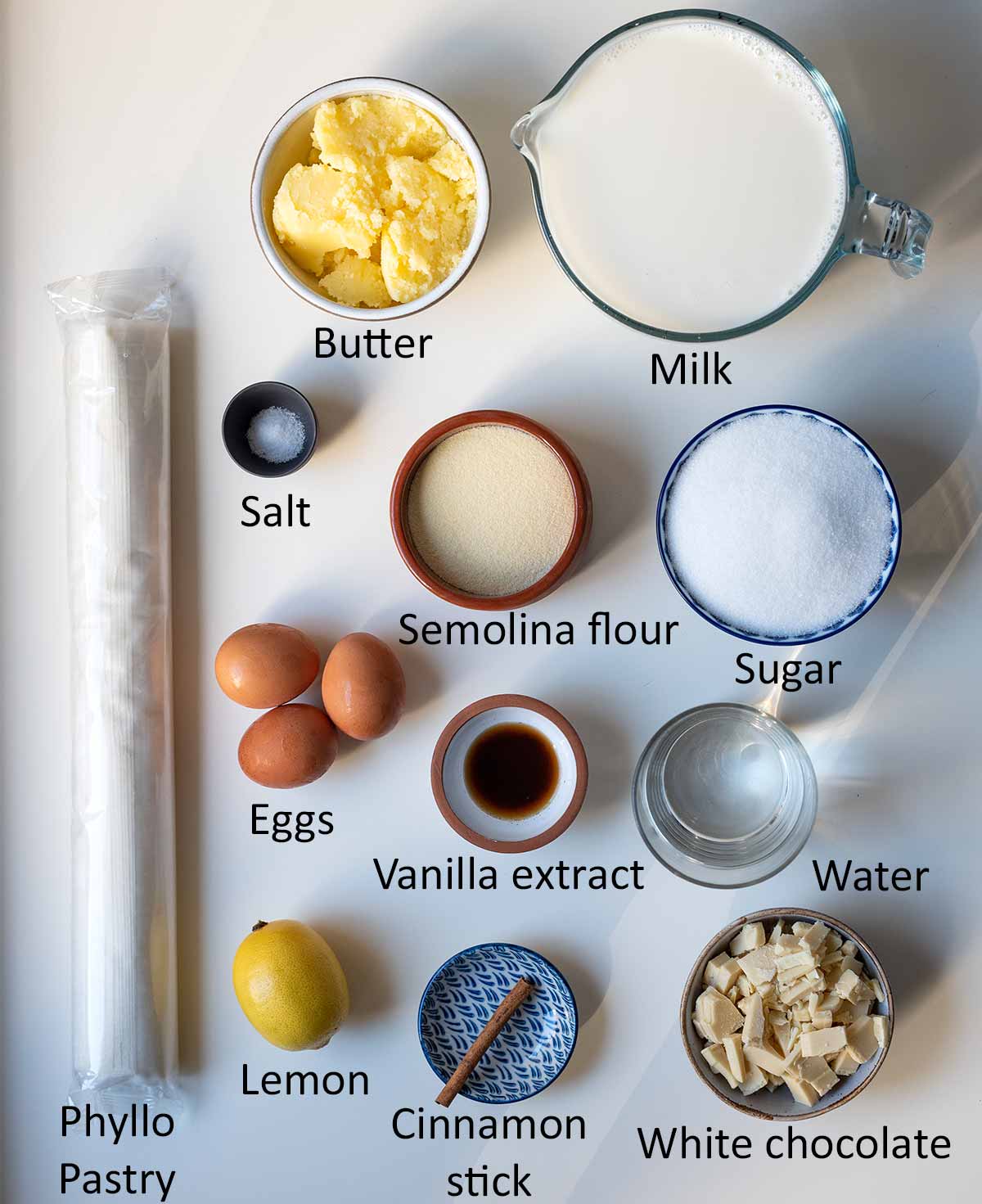
Whole milk: If possible, for the best taste use goat milk. Otherwise, use the best tasting cow's milk.
Fine semolina: In Greece, durum wheat semolina (external link) comes in two types. Both types resemble polenta in texture but fine semolina (simigdali psilo) is finely ground (and used in semolina custard recipes) whereas coarse semolina (simigdali xondro) is coarser and used for semolina halva and cake recipes such as Revani. For this recipe you should use fine semolina.
Lemon: You'll need the zest for the custard and some juice for the syrup
✏️ Tip: Lemon juice prevents the crystallization of syrup.
Phyllo pastry (or filo): Extra thin phyllo pastry is suggested (it has about 15-16 sheets per pound) but thicker types of phyllo (12 sheets per pound) will also work just fine.
Butter: For the best results clarified butter or ghee is suggested. The traditional galaktoboureko recipe is made with sheep and goat butter (in Greece it is the kind sold in glass jars). Having said that, I too sometimes make this recipe with normal melted butter and it's fine. Because normal butter is not 100% fat, you may need a bit more if you use that.
White chocolate: This is optional, because it is not used in teh traditional galaktoboureko recipe. However, I urge you to try it because you can't really taste the chocolate, it just makes this dessert more "custardy".
Vanilla extract: You can use homemade vanilla sugar instead, by replacing 2-3 tablespoons of the sugar in the filling with 2-3 tablespoons vanilla sugar.
🥣 Variations
Galaktoboureko rolls: In this variation a small portion of the custard filling is wrapped with a sheet of phyllo forming a small packet or roll. In this case the semolina custard should be thicker, otherwise it will be very difficult to assemble the rolls. Add 1 extra tablespoon of semolina and cook the custard with the eggs until bubbly to make the filling thicker.
With kataifi filo: Some bakeries in Greece use kataifi pastry instead of phyllo. Kataifi is another type of pastry in the form of very thin strands. If you love the crunchy texture of kataifi filo, don't miss this chocolate pistachio cake with crunchy kataifi filling, inspired by the viral Dubai chocolate bar.
Custard with corn starch: Instead of semolina, cornstarch can also be used to make the filling. This results in a very soft, silky filling, but not everyone likes it.
Chocolate galaktoboureko: To make a chocolate version, just add 2 tablespoons of Dutch processed cocoa powder to the semolina and repla
🔪 Galaktoboureko Instructions
Learn how to make the best galaktoboureko recipe by following this easy step-by-step guide:
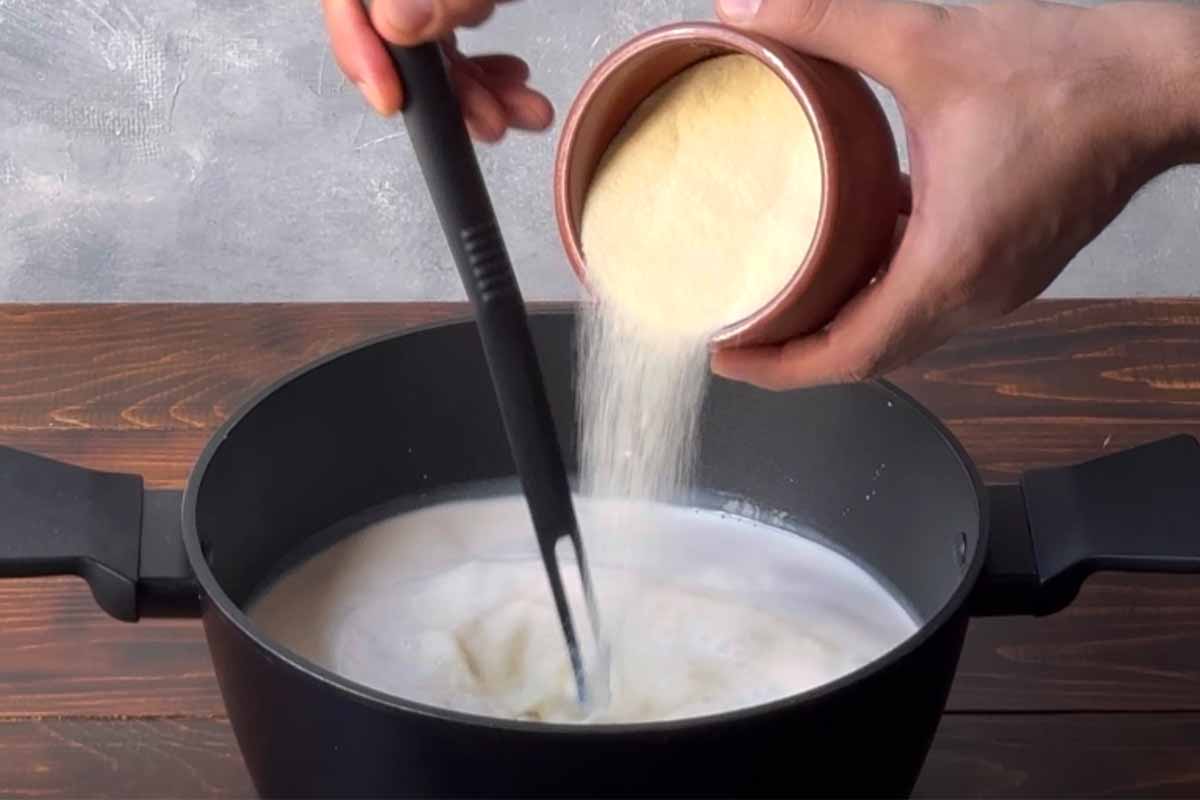
1. Transfer the milk to a large pot and add the salt and the semolina while stirring with a whisk. Cook on the stove over medium heat stirring constantly, until the semolina mixture boils. Remove from the heat.
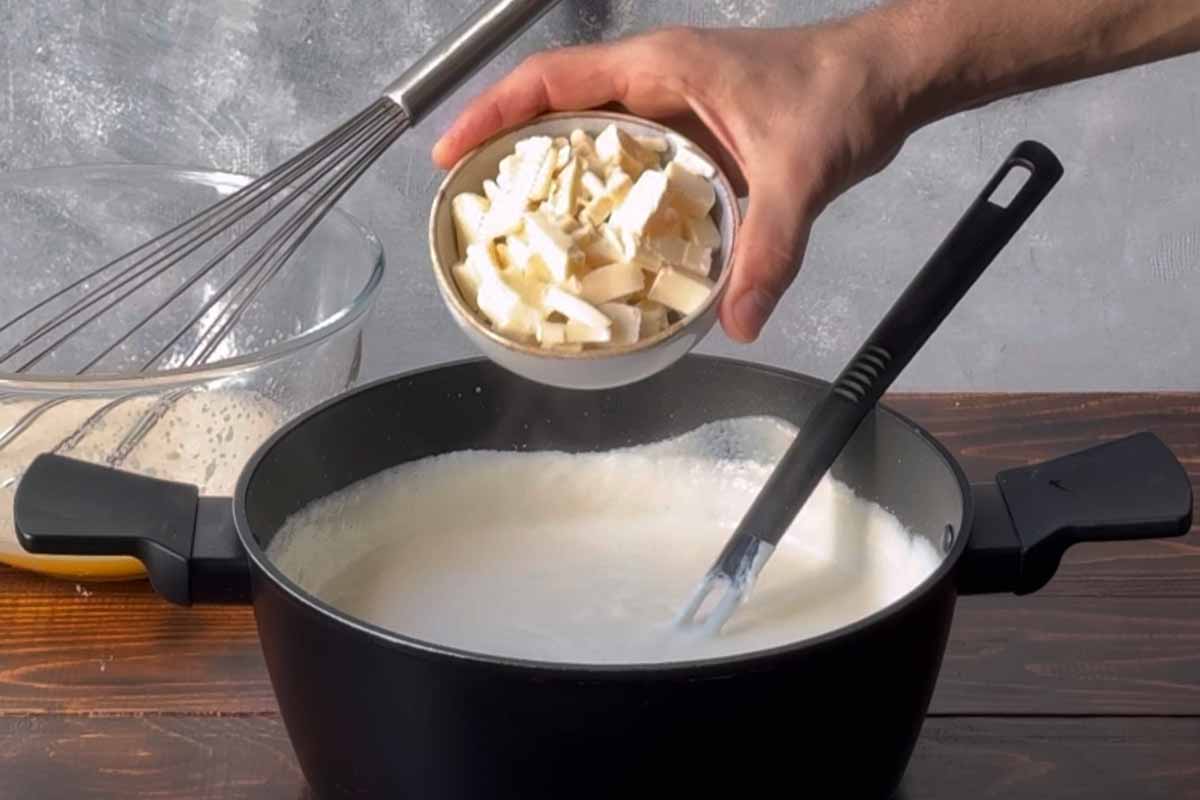
2. Add the lemon zest, the vanilla and the white chocolate and whisk to combine.
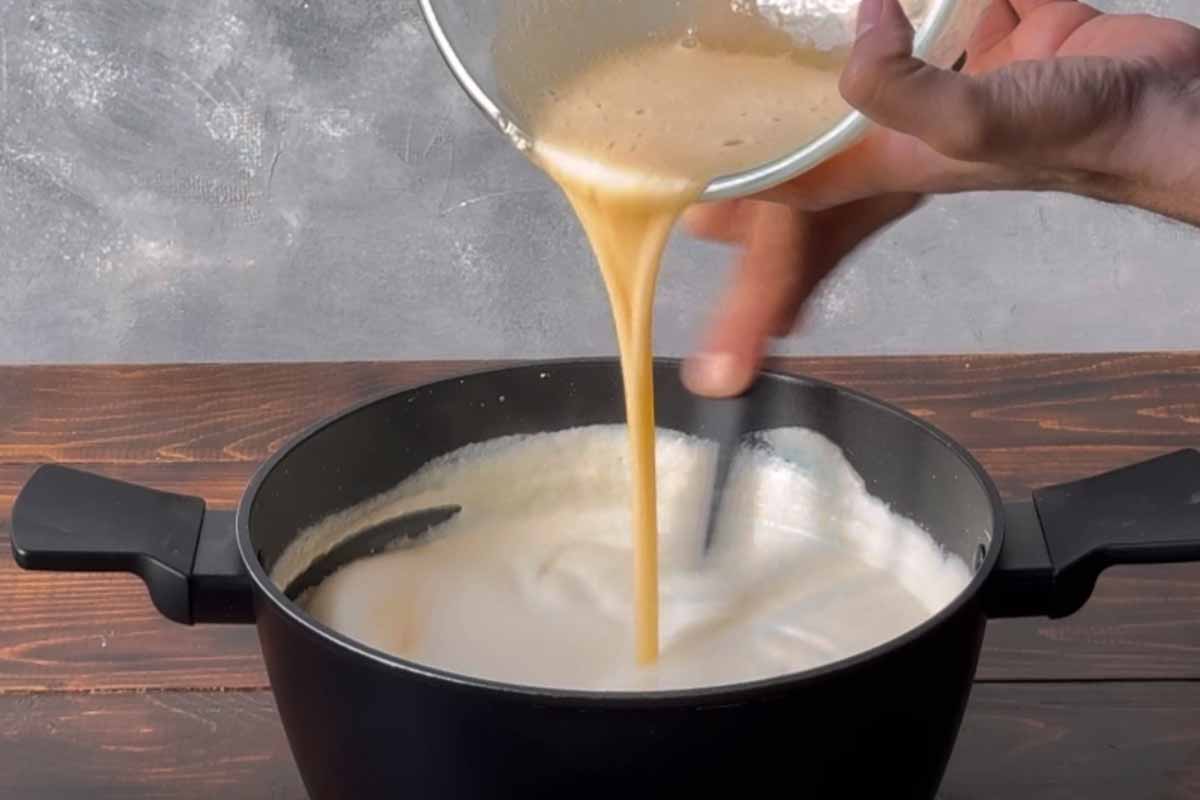
3. Transfer the eggs and the sugar to a medium bowl and whisk until frothy (you can also use a hand mixer for this). Whisking constantly, add the egg mixture to the semolina mixture and stir until combined. Cover with a lid and refrigerate until cold.
✏️ Top Tip! This method (adding the eggs after the semolina custard is cooked) produces a soft, velvety cream filling. This is how it's supposed to be. However, if you're used to a sturdier filling with thicker consistency, add the eggs from the start (at the same time as the semolina) and cook the custard until bubbly.
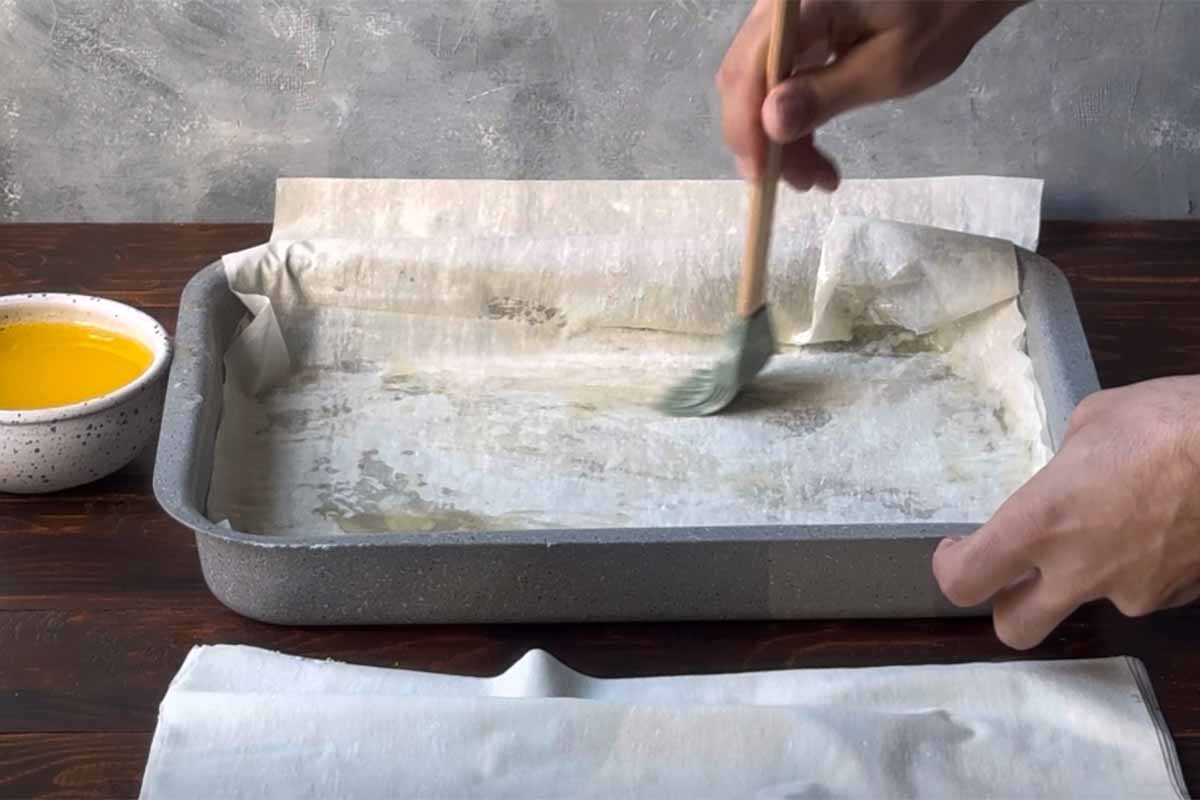
4. Brush the baking pan with the melted butter and cover it with the two thirds of the phyllo sheets, in a way that the sheets overlap the baking dish. Brush each sheet of the phyllo pastry with melted butter before covering it with the next sheet.
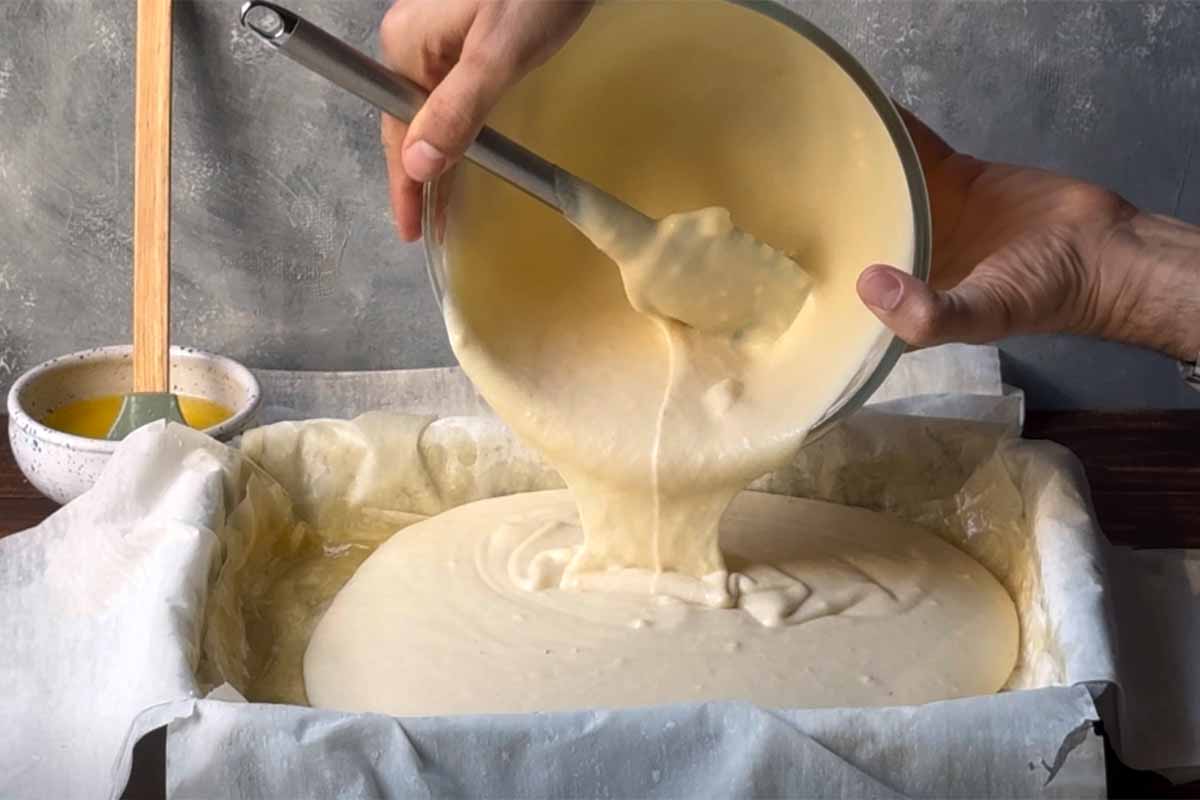
5. Pour the semolina cream filling over the sheets of phyllo dough.
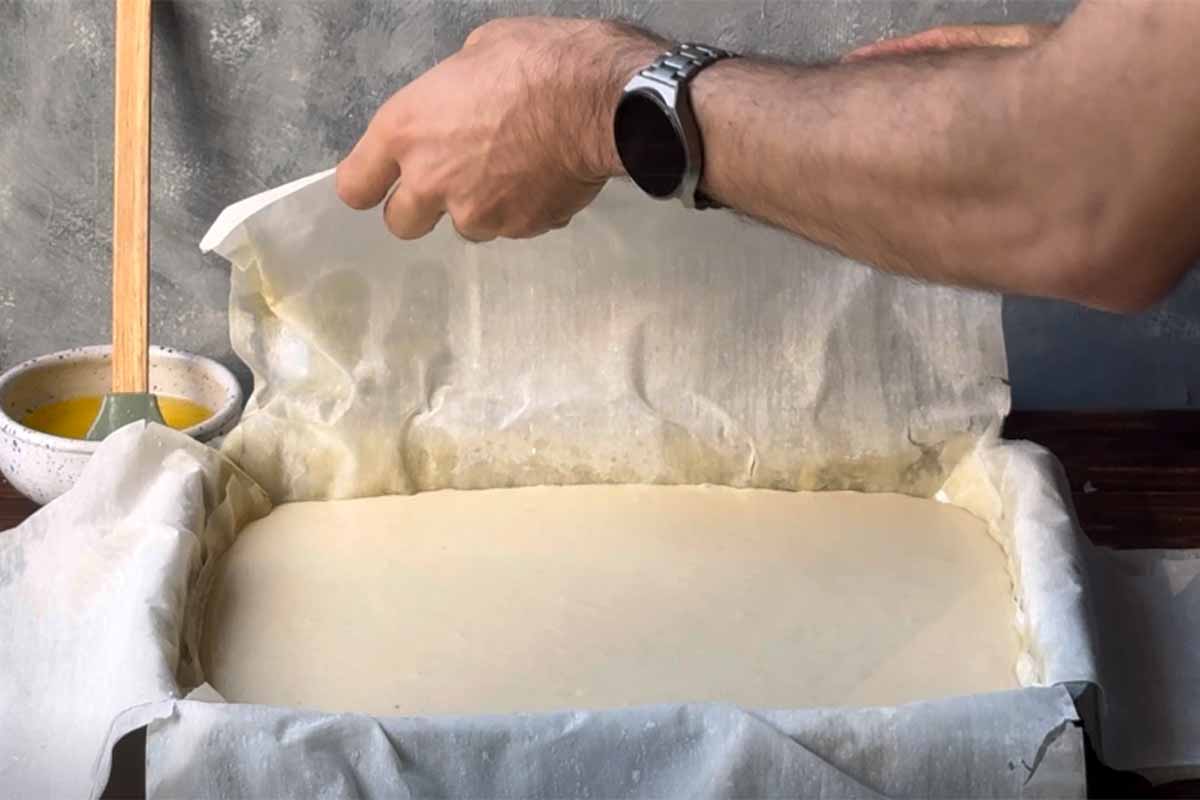
6. Fold the overlapping sheets over the filling, brushing each sheet with butter. Then, top with the remaining sheets of phyllo and tuck any edges between the galaktoboureko and the baking pan.
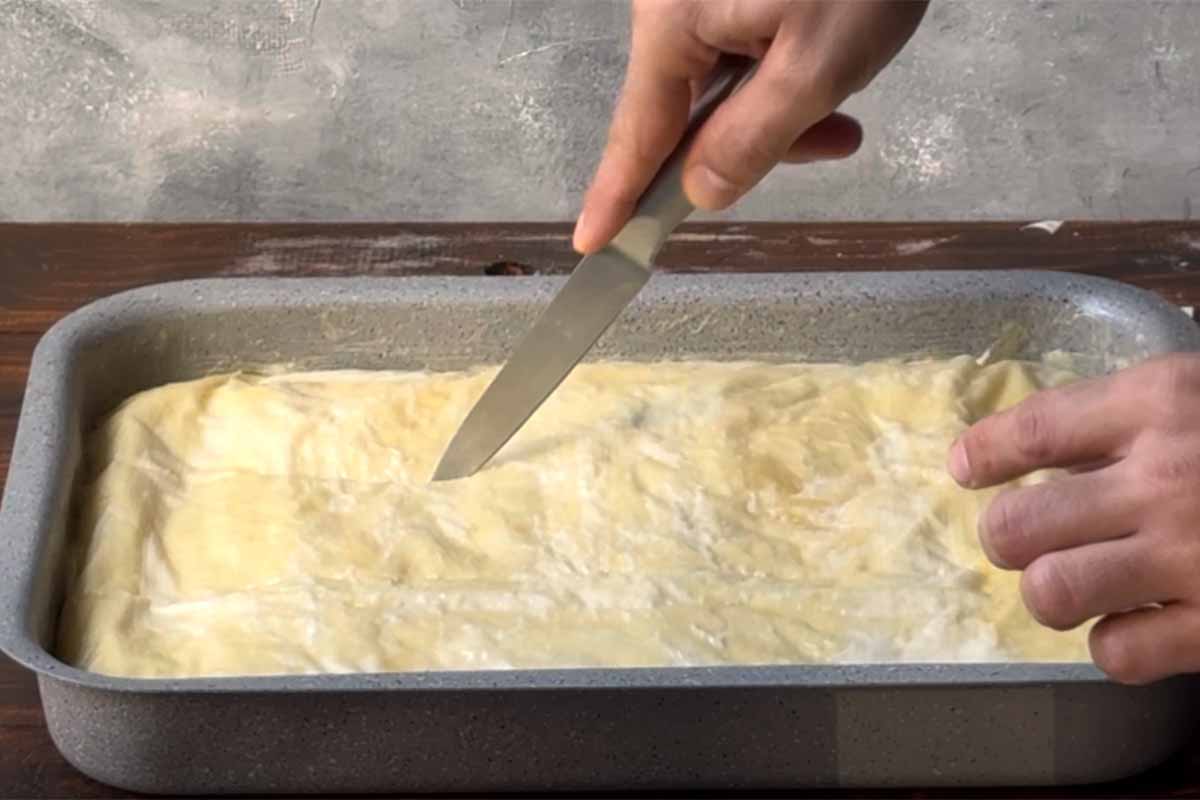
7. Gently score the surface of the galaktoboureko with a sharp knife, making sure that the knife doesn't reach the bottom of the pan (you only want to cut the top layers of phyllo). Bake in the oven until golden brown.
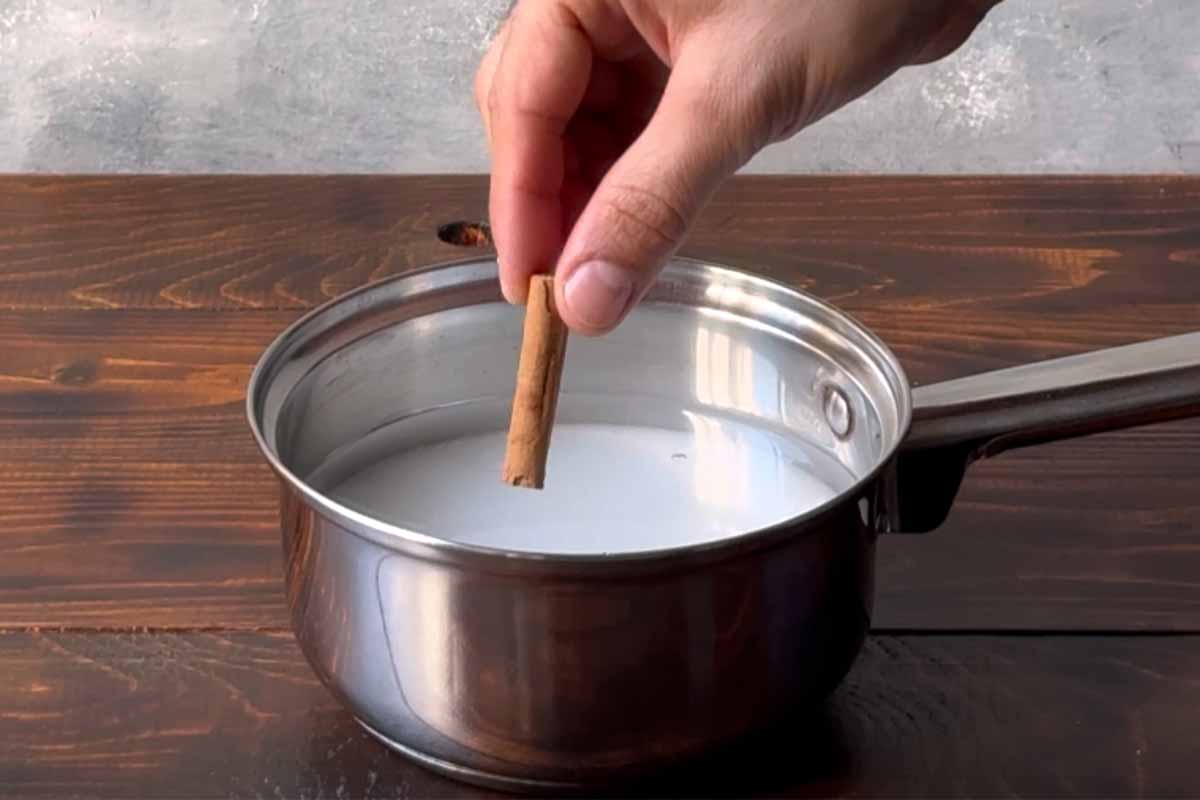
8. In the meantime, transfer the ingredients for the syrup to a saucepan and bring to a boil. Simmer for 5 minutes and set aside to cool.
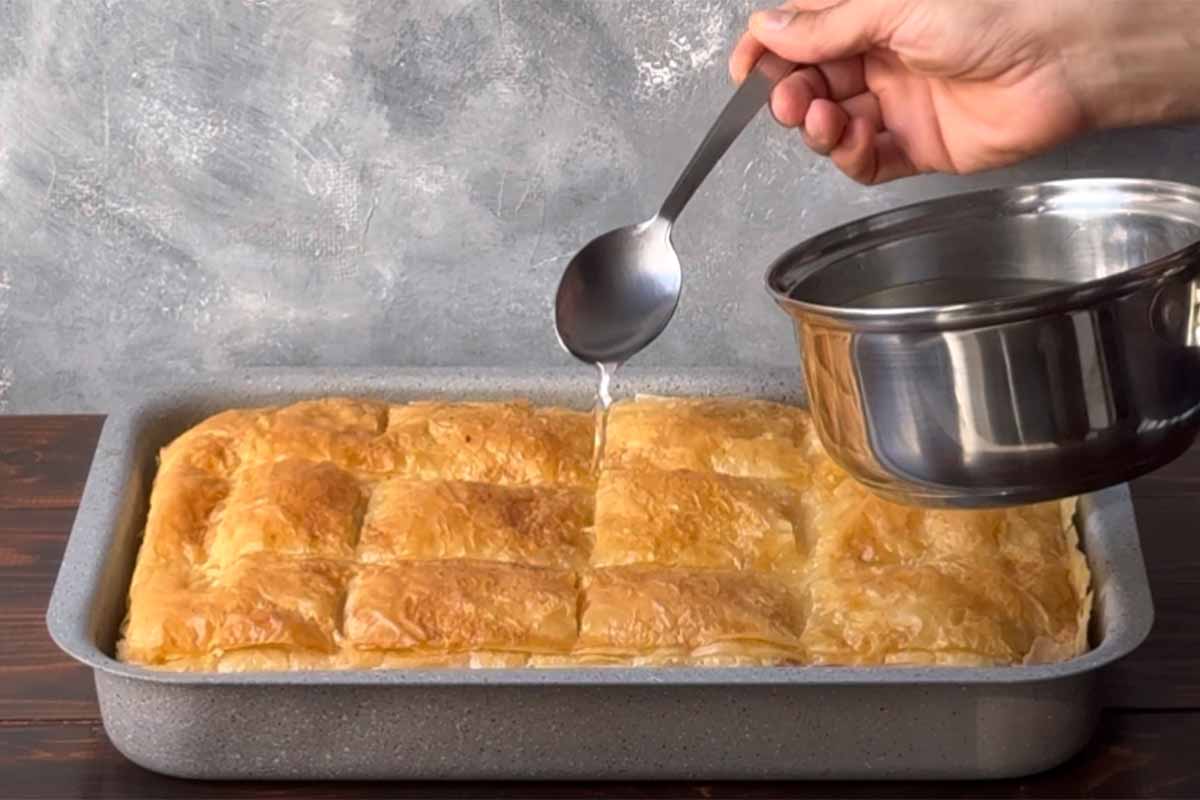
9. Take the galaktoboureko out of the oven and score with a knife, following your initial cuts. Pour the syrup over the hot dessert. Let it cool completely before serving (the filling will seep out if you serve it warm).
Serving Tips and Pairings
Galaktoboureko can be served slightly warm but the filling may not be fully set. That's why it's best served at room temperature. Many people also like to eat it cold from the fridge, especially during summer.
The best pairing is with a cup of Greek coffee or with an espresso freddo (Greek iced coffee). If you don't drink coffee, try it with a warm cup of Greek mountain tea (tsai tou vounou).
👨🍳 Expert Tips
✤ Use good quality milk and butter. Goat milk and clarified sheep and goat butter are suggested but if you're not used to the taste you may find it too intense. Buffalo milk is also considered to make delicious filling but I haven't tried that yet.
✤ You'll get creamier results if you add the eggs to the custard filling after it's cooked on the stove (some recipes add the eggs from the start).
✤ keep the phyllo sheets covered with a damp cloth to prevent them from drying out.
✤ When assembling the dessert, the filling should be cold or at room temperature.
✤ The sugar syrup should be thick enough (high sugar to water ratio) in order to keep the phyllo crunchy.
✤ Poor the cooled syrup over the hot galaktoboureko. Add the syrup slowly for better absorbtion.
✤ To help the phyllo stay crunchy longer, avoid storing it in an airtight container. Keep the lid slightly open to allow any condensation to escape.
💭 FAQs
Galaktoboureko should be refrigerated if you plan to keep it more than 1 day. The custard filling is perishable, so storing it in the fridge helps keep it fresh and safe to eat. Remember to keep the lid of the container slightly open to allow any condensation to escape in order for the phyllo to remain crunchy.
Serve it cold or bring it to room temperature.
Custard should generally not be left out of the fridge for extended periods. Because it contains dairy and eggs, it's perishable and can spoil at room temperature. Because galaktoboureko has high sugar content, it can be kept at room temperature for 1 day but it should be refrigerated the second day.
The word galaktoboureko comes from Greek and can be broken down into two parts:
"Gala-" (γάλα) means "milk"
"-boureki" (μπουρέκι) refers to a dessert made with layers of phyllo and filling, similar to a pastry or pie. It comes from the Turkish word Börek.
So, galaktoboureko roughly translates to "milk pastry" or "milk pie," referring to its creamy custard filling made with milk.
🍳 More Greek Desserts


If you tried this Greek Galaktoboureko Recipe or any other recipe on my website, please leave a 🌟 star rating and let me know how it went in the 📝 comments below. I love hearing from you!
🎥Recipe Video
📖 Recipe

Galaktoboureko Recipe (Greek Custard Dessert)
Ingredients
For the semolina custard cream:
- 5 cups (1200 g) whole milk (see note #1)
- ½ teaspoon salt
- ⅔ cup (120 g) fine semolina (see note #2)
- 1 lemon the zest
- 1 ½ tablespoons vanilla extract (or 1 capsule vanillin per Tablespoon of extract.)
- 4.4 ounce (125 g) white chocolate chopped (optional, see note #4)
- 3 medium eggs
- ½ cup (100 g) white sugar
For the phyllo:
- 1 package (450 g) phyllo pastry (see note #4)
- 1 cup (220 g) clarified butter or ghee (melted, see note #5)
For the syrup:
- 2 cups (400 g) white sugar
- 1 ¼ cups (300 g) water
- 1 cinnamon stick
- 1 tablespoon lemon juice
Instructions
- Transfer the milk to a large pot and add the salt and the semolina while stirring with a whisk. Cook on the stove, over medium heat, stirring constantly until the semolina mixture boils. Remove from the heat.
- Add the lemon zest, the vanilla and the white chocolate and whisk to combine. Smell the custard and add more lemon zest or vanilla if needed, according to your preference.
- Transfer the eggs and the sugar to a medium bowl and whisk until frothy (you can also use a hand mixer for this). Whisking constantly, add the egg mixture to the semolina mixture and stir until combined. Cover with a lid and refrigerate until cold.✏️ Note: Adding the eggs after the semolina custard is cooked produces a soft, velvety cream filling. If you're used to to a filling with a thicker consistency, add the eggs from the start (at the same time as the semolina), also add 1 extra tablespoon of semolina and cook the custard until bubbly.
- Brush the baking pan with the melted butter and cover it with the two thirds of the phyllo sheets, in a way that the sheets overlap the dish. Brush each sheet of the phyllo pastry with melted butter before covering it with the next sheet.
- Pour the semolina cream filling over the sheets of phyllo dough.Also preheat your oven (top and bottom heat) at 350°F (175°C). If you only have a fan oven reduce temperature to 320°F (160°C).
- Fold the overlapping sheets over the filling, brushing each sheet with butter. Then, add the remaining sheets of phyllo and tuck any edges between the galaktoboureko and the baking pan.
- Gently score the surface of the galaktoboureko with a sharp knife, making sure that the knife doesn't cut all the way through the bottom of the pan (you only want to cut the top layers of phyllo).Sprinkle the surface with a bit of water (1-2 tablespoons, optional) and bake at the bottom zone of your oven, until golden brown, about 60-70 minutes.
- While the galaktoboureko is baking, transfer the sugar, the water and the cinnamon stick to a saucepan and bring to a boil. Simmer for 5 minutes, then add the lemon juice, stir well and set aside to cool.
- Take the galaktoboureko out of the oven and score with a knife following your initial cuts. Pour the syrup over the hot dessert. Let it cool completely before serving (the filling will seep out if you serve it warm).
Notes
- Rectangular 10x13.5 inches (25x35 cm)
- Rectangular 9x13 inches (23x33 cm)
- Round cake pan 12 inches (30 cm) in diameter


Polis says
One of the best galaktoboureko I have tried, thanks Makos!
Makos says
Thank you Poli!
Eleni says
I didn't know lemon was used to prevent crystals in the syrup, very useful! And the white chocolate made it so so delicious! Thank you for this recipe!!!
Makos says
Hi Eleni, that’s so great!!! Enjoy!